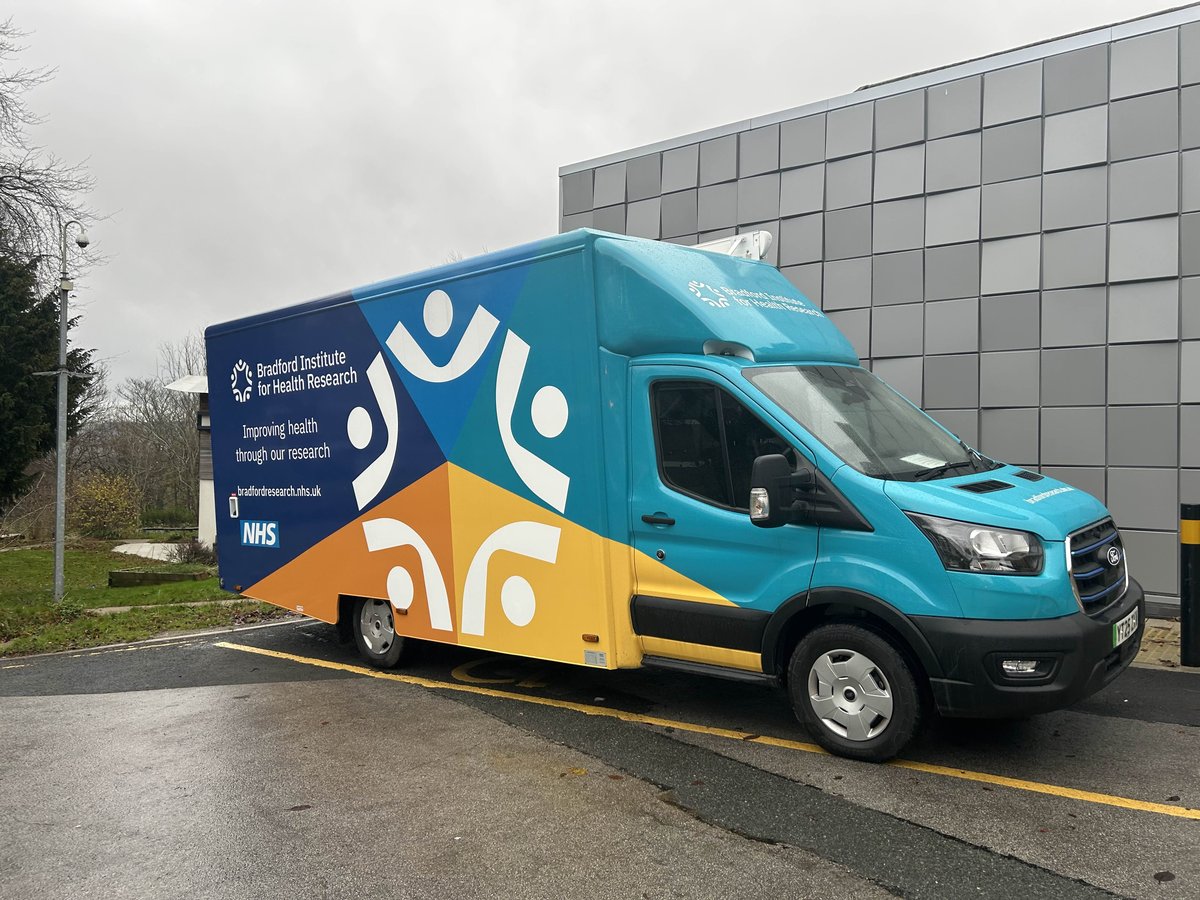
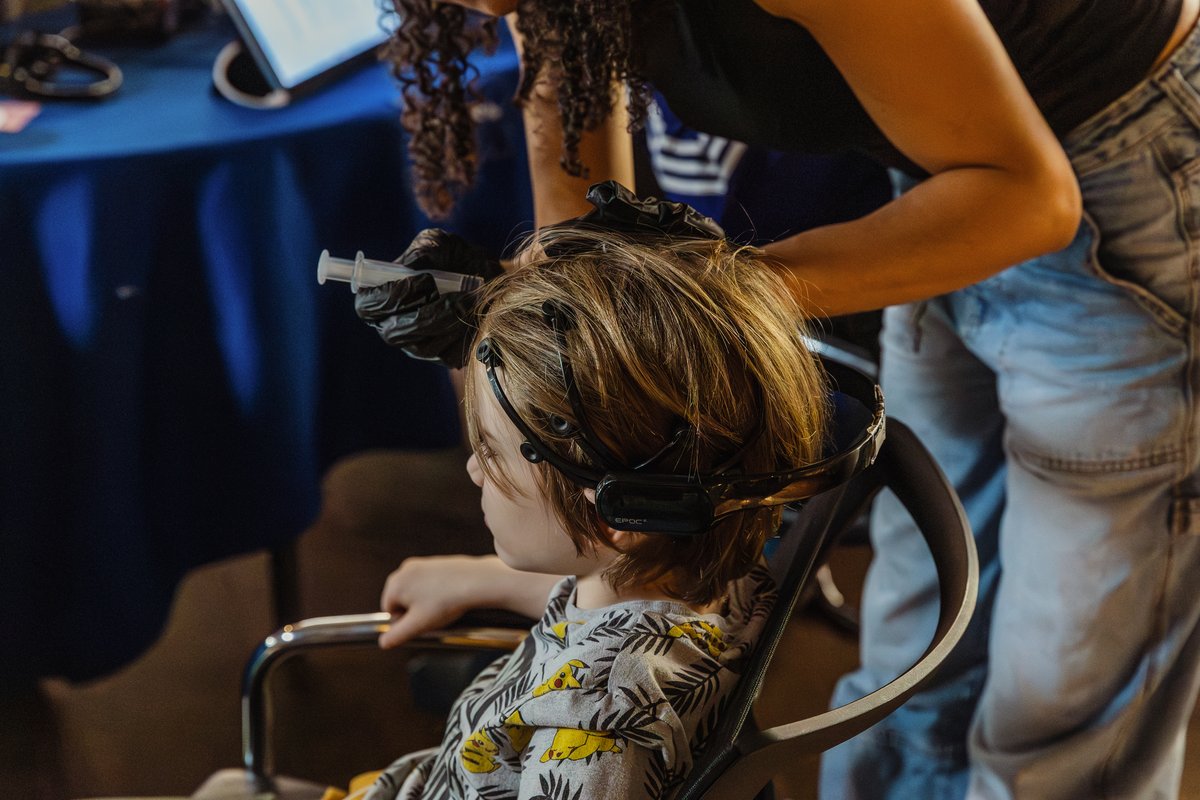
The Brain Bus is a mobile neuroscience research vehicle designed to make brain health research accessible to everyone — especially those who are often left out.
An estimated 90-95% of brain health research is based on university students. That means the vast majority of what we know about the brain comes from a very small, unrepresentative group of people.
The Brain Bus changes this. By bringing research directly into communities, we make it possible for a much wider range of people to take part — including young people, those with additional needs, homeschooled children, and those who face barriers to visiting a university or hospital.
We use a technology called EEG (electroencephalography) to safely and painlessly measure the electrical activity in your brain. Here is what that means.
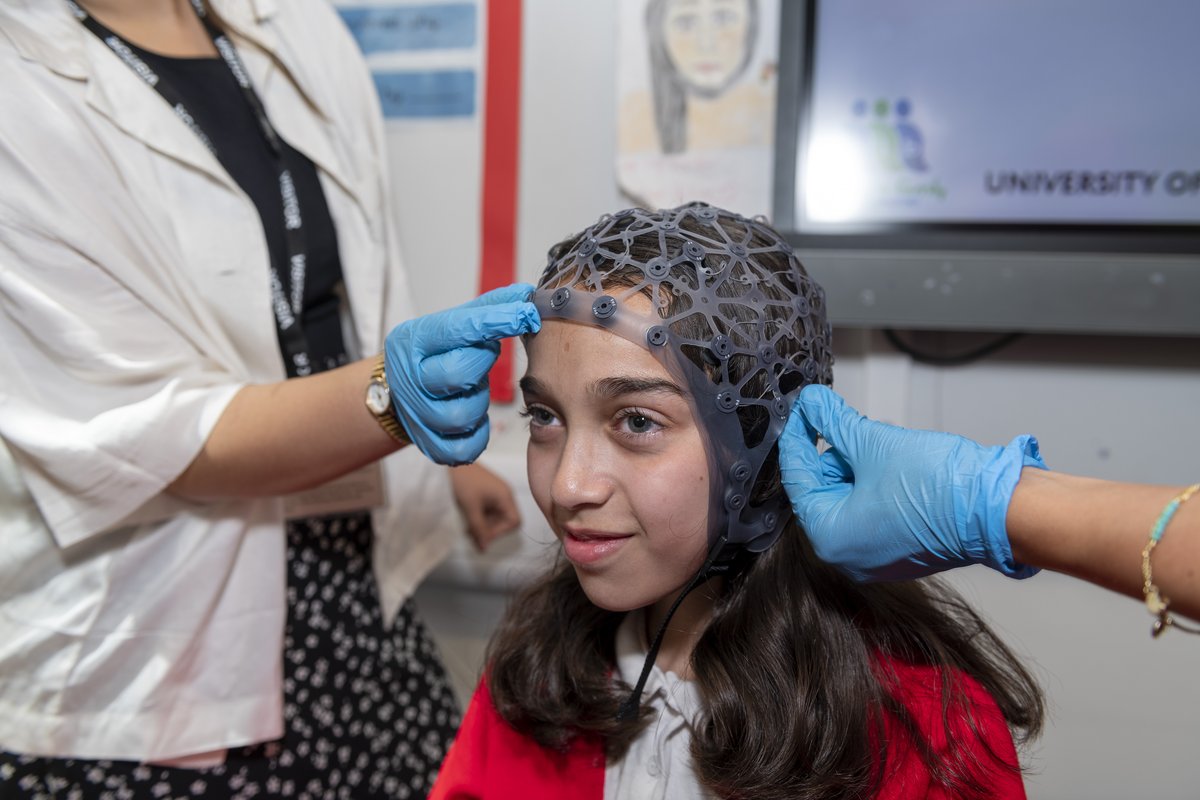
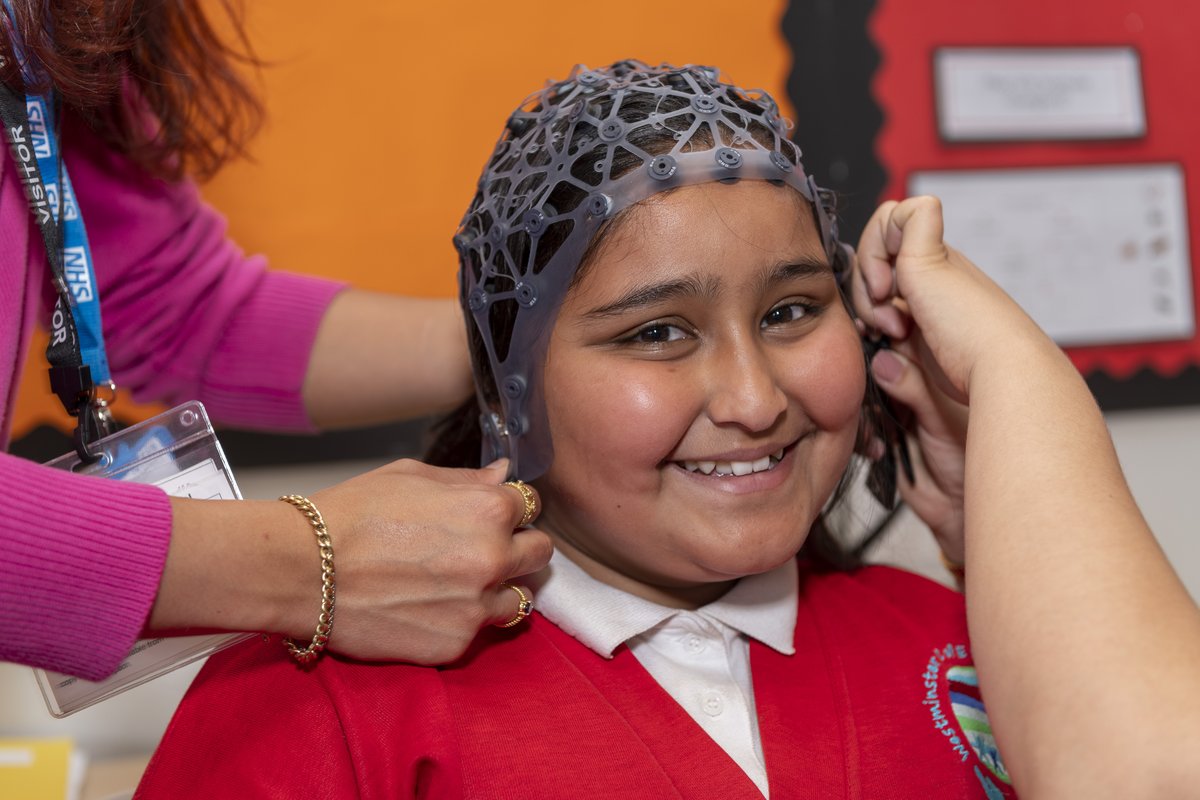
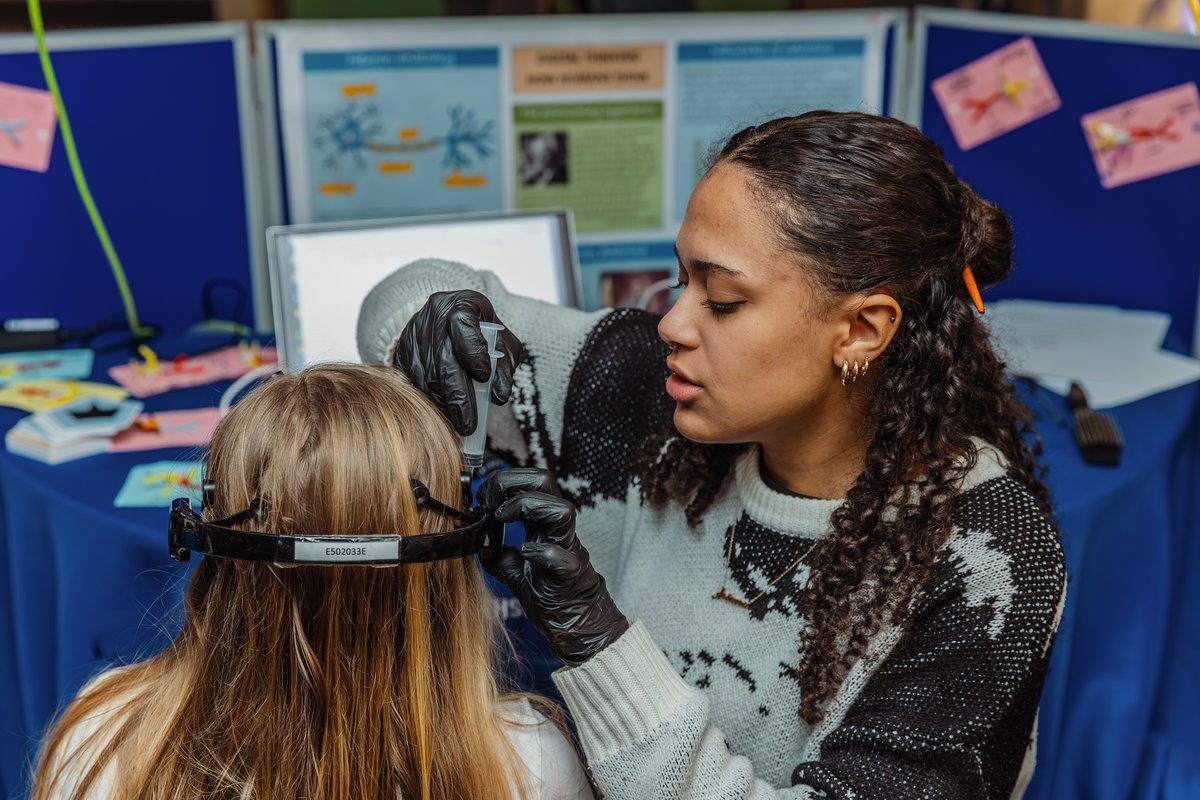
EEG stands for electroencephalography. It is a safe, painless way of measuring brain activity using small sensors placed on the head.
It picks up tiny electrical signals that your brain produces all the time.
EEG data can tell us about attention, memory, how the brain responds to different tasks, and general brain health.
These patterns help researchers understand how the brain works across different ages and backgrounds.
The data we collect is used to build a better understanding of brain health across communities.
This helps improve education, wellbeing support, and future healthcare — and makes research fairer for everyone.
The Brain Bus is a specially adapted vehicle that creates a calm, comfortable, laboratory-like environment. It comes to you — at your school, library, community centre, or local area.

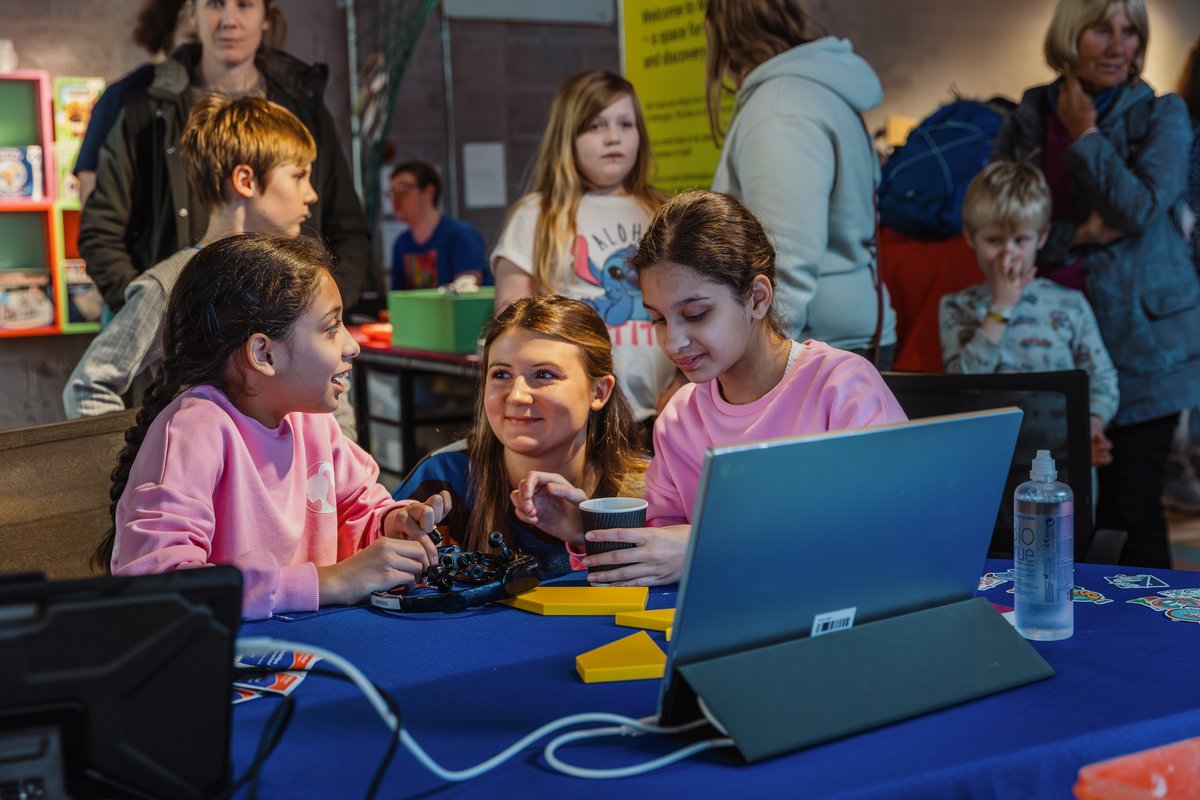
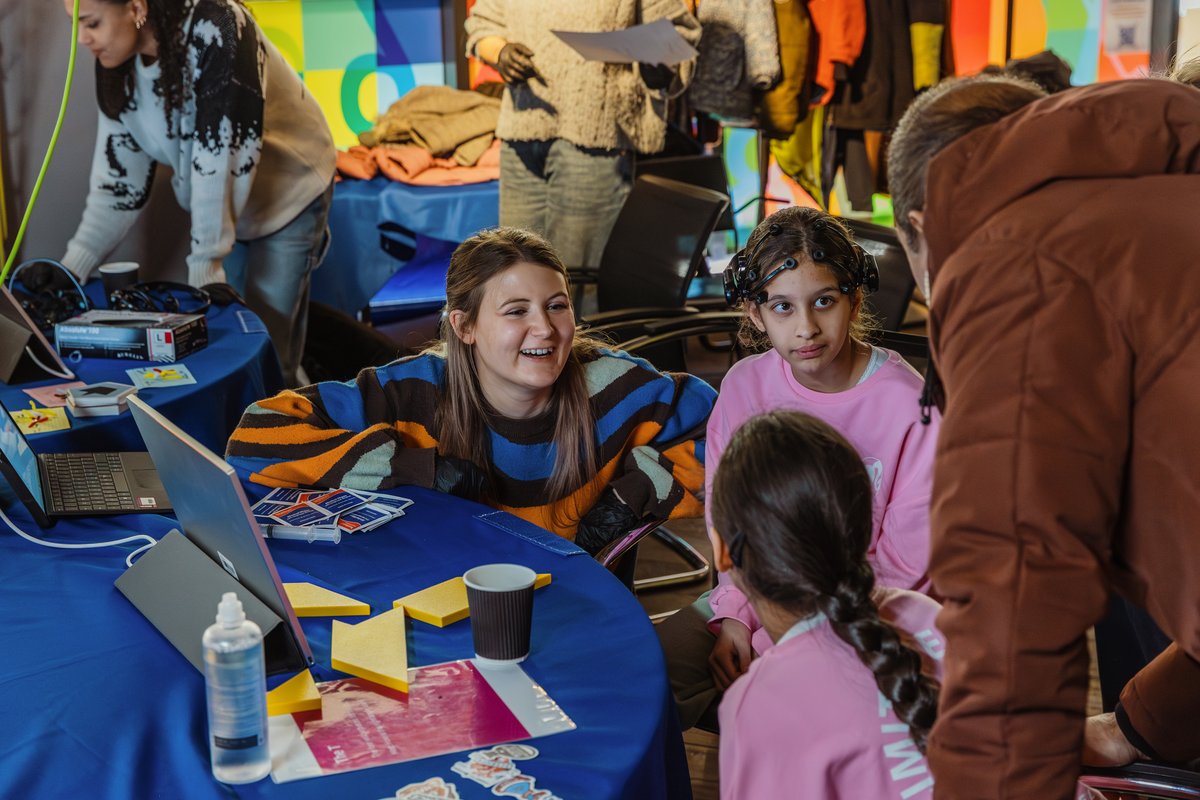
The Brain Bus parks at a location in your community. You will be met by friendly researchers who will explain everything before you start.
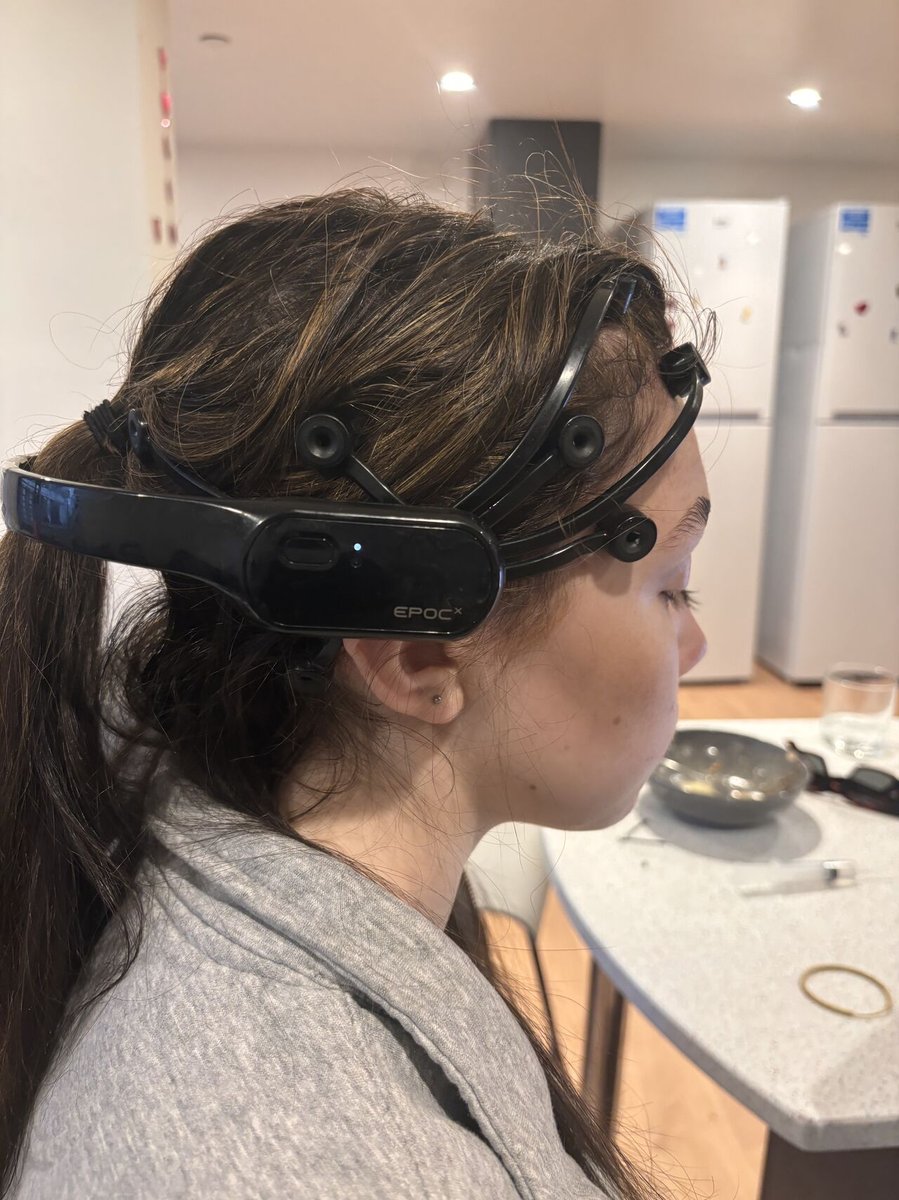
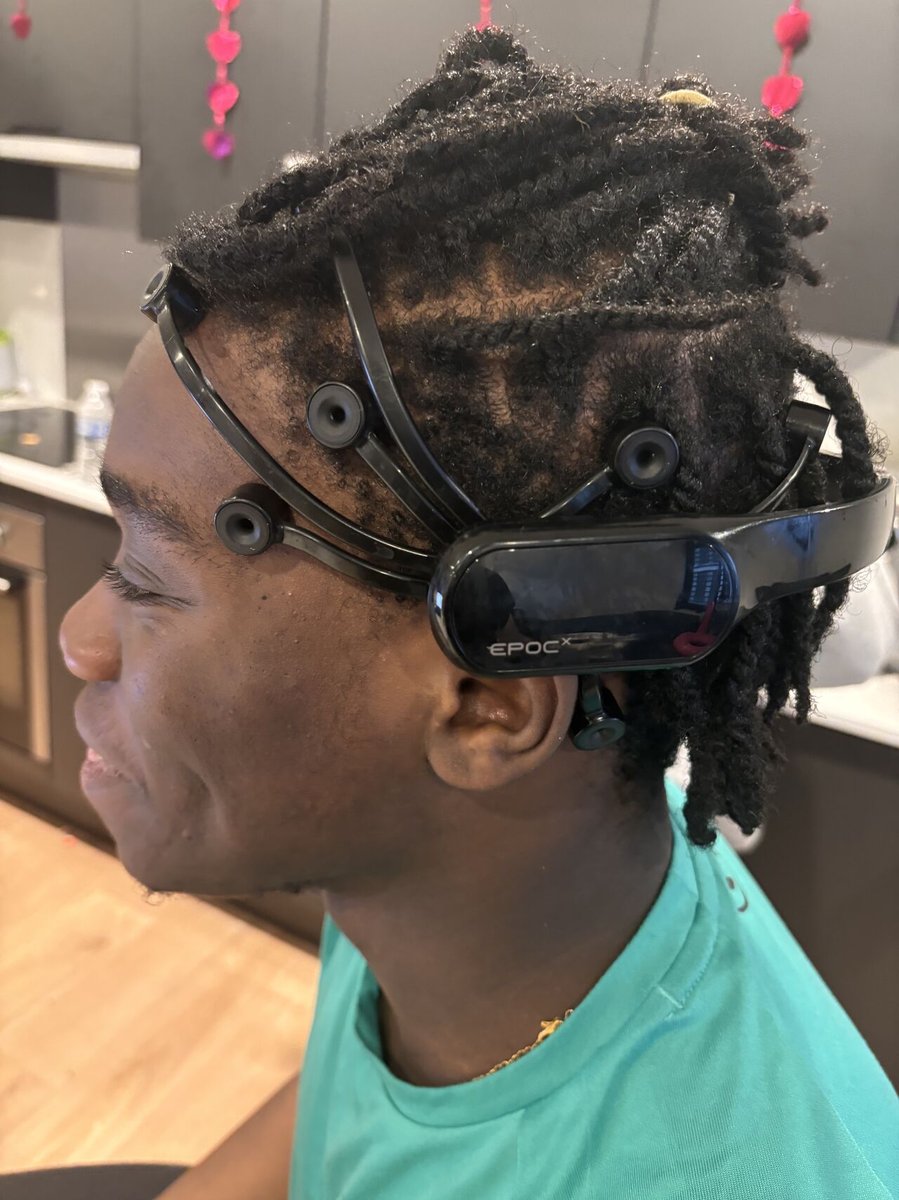
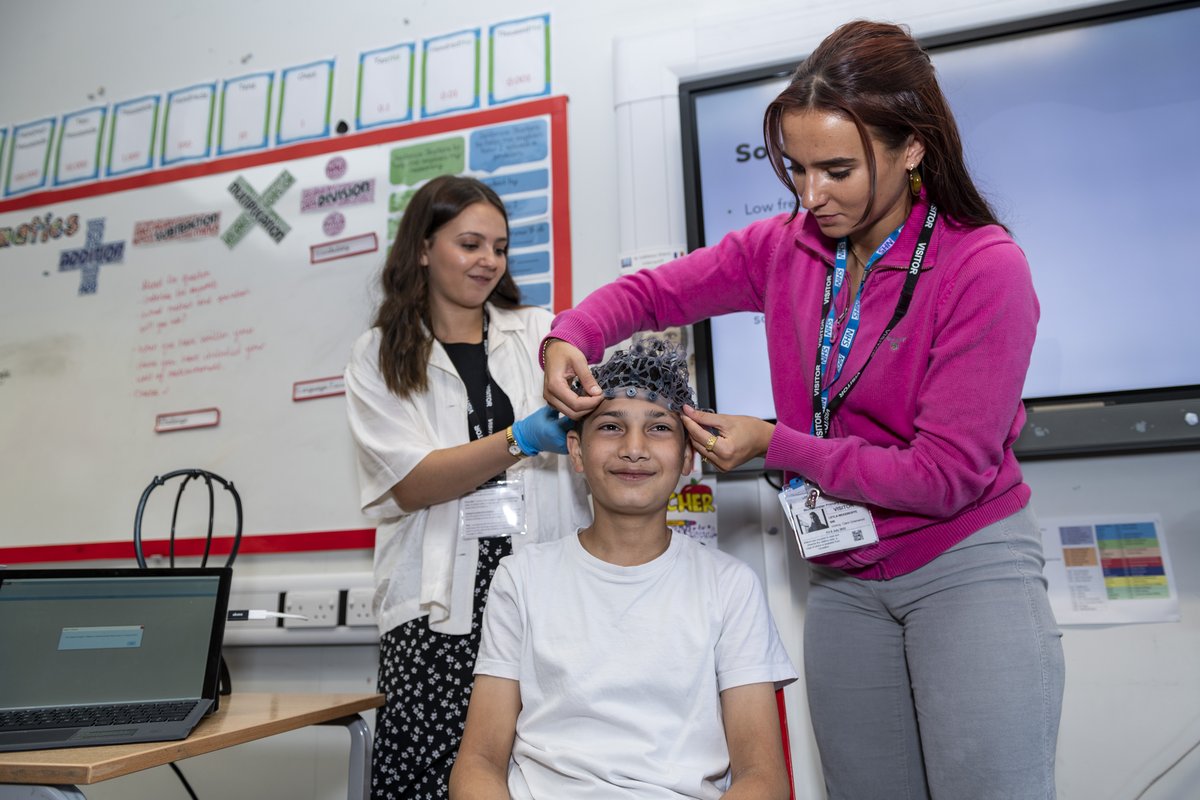
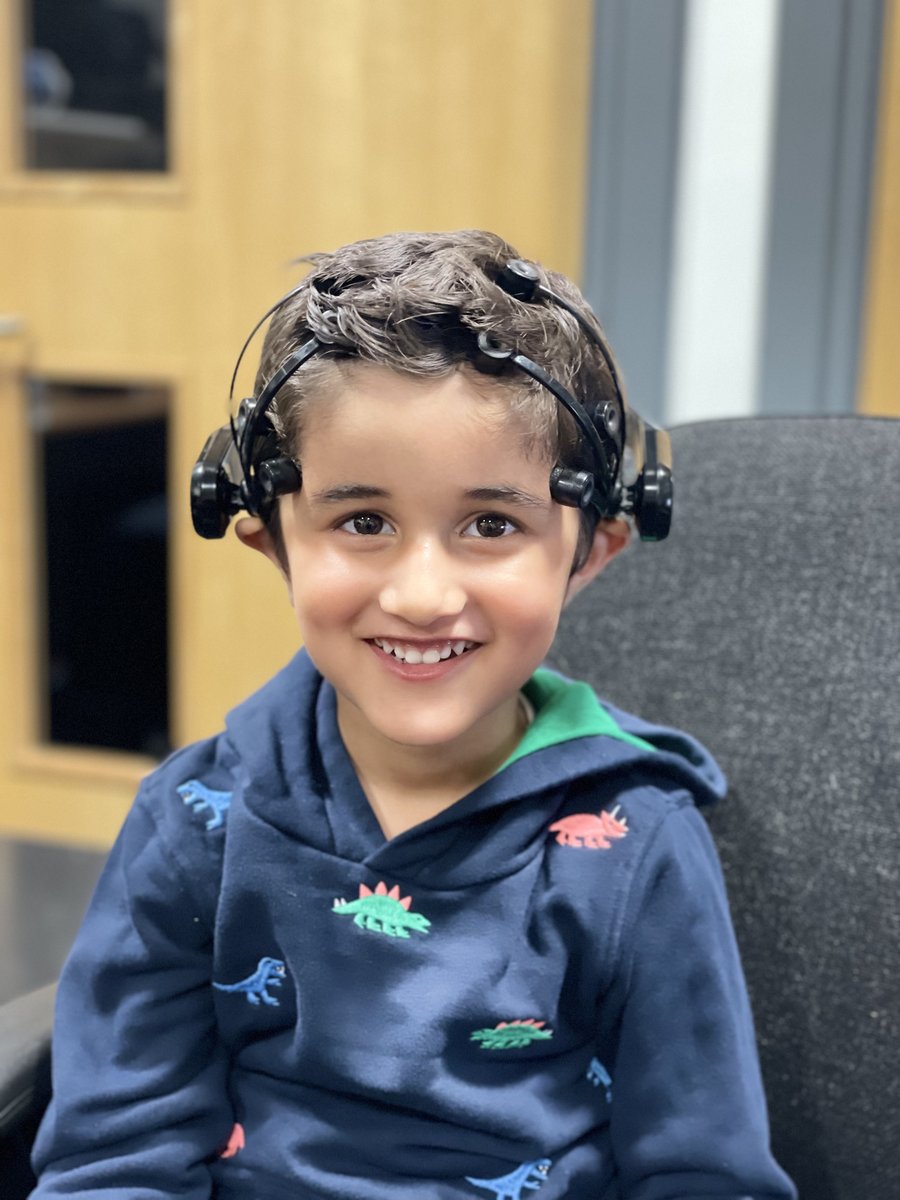
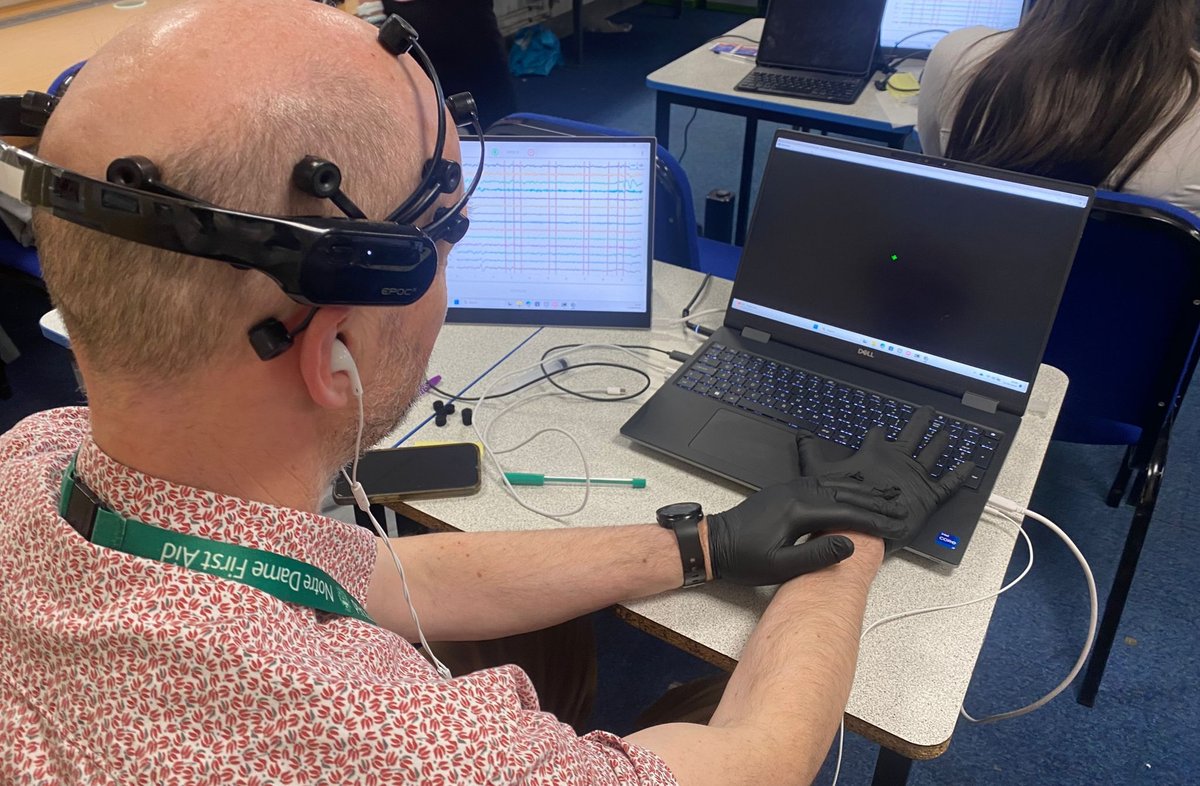
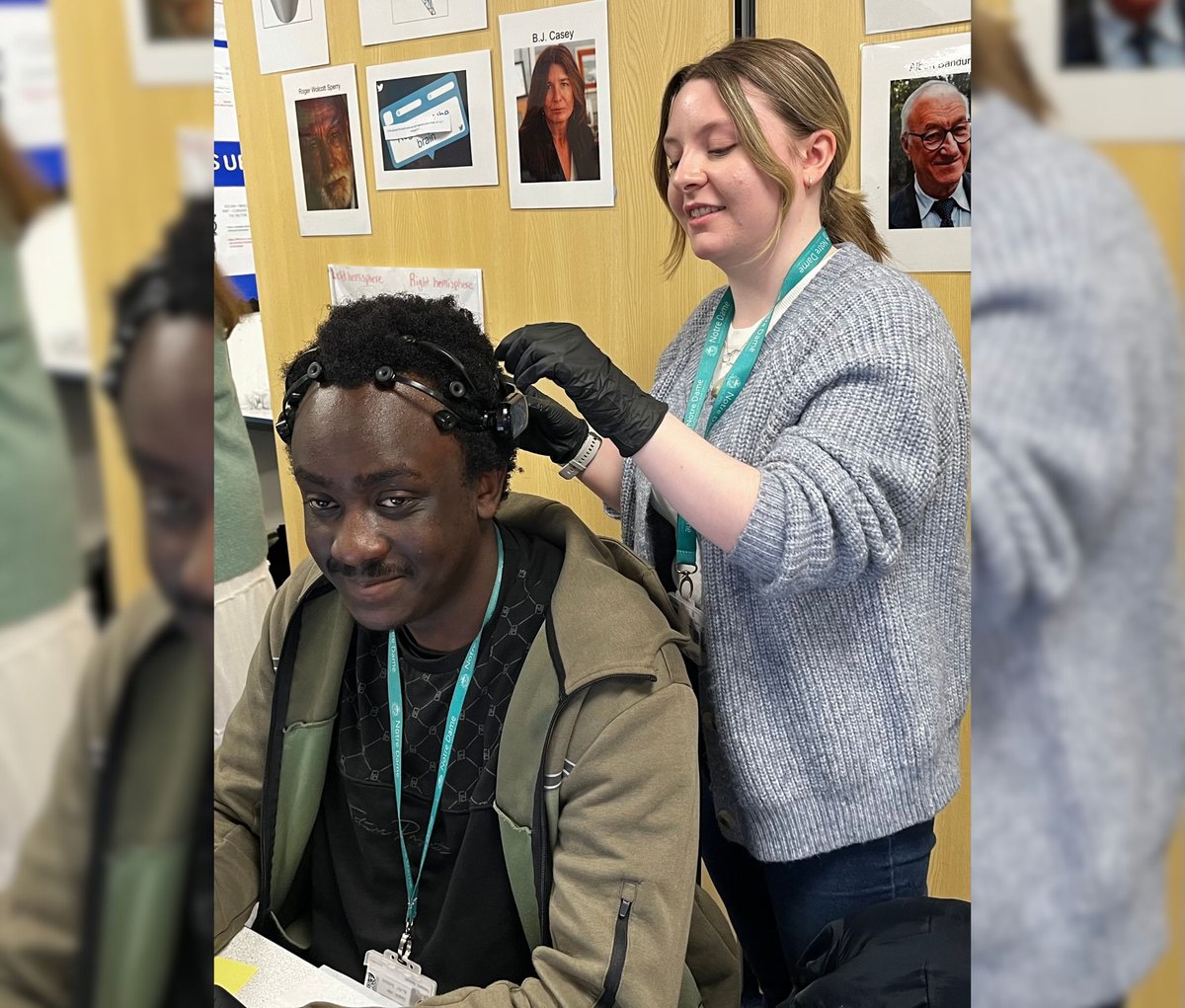
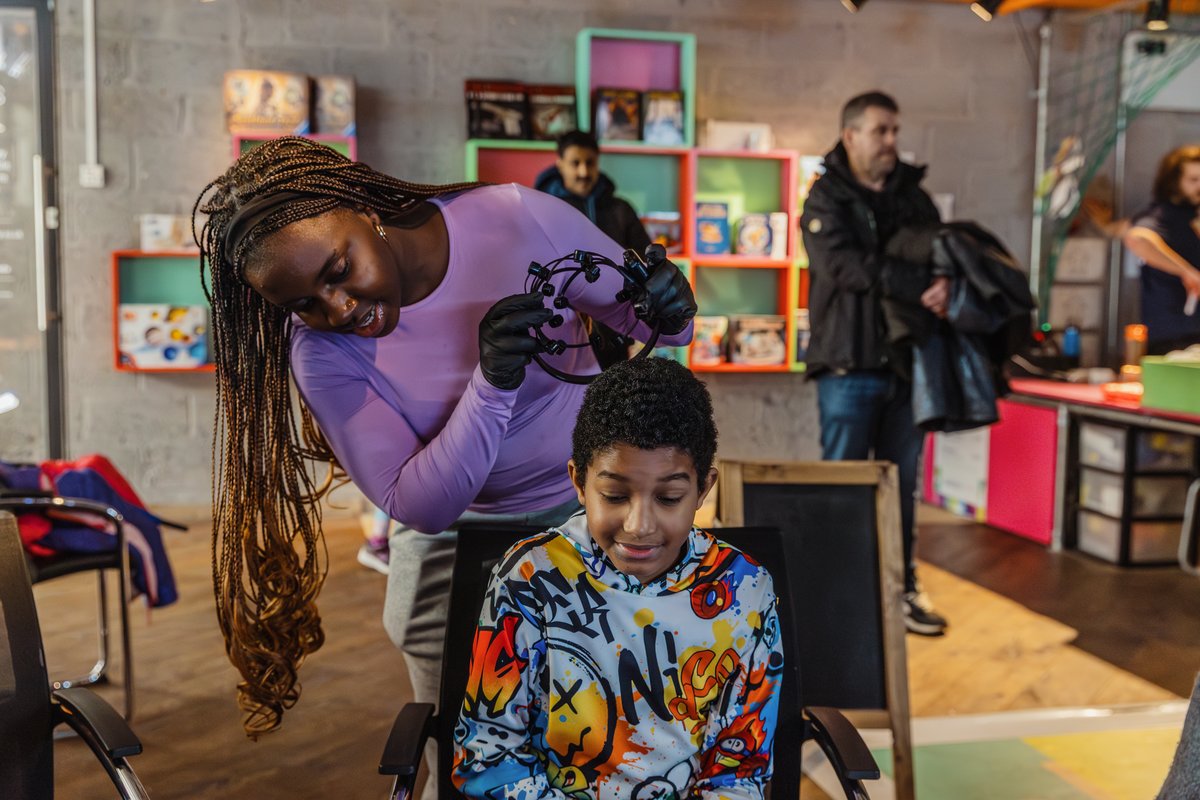
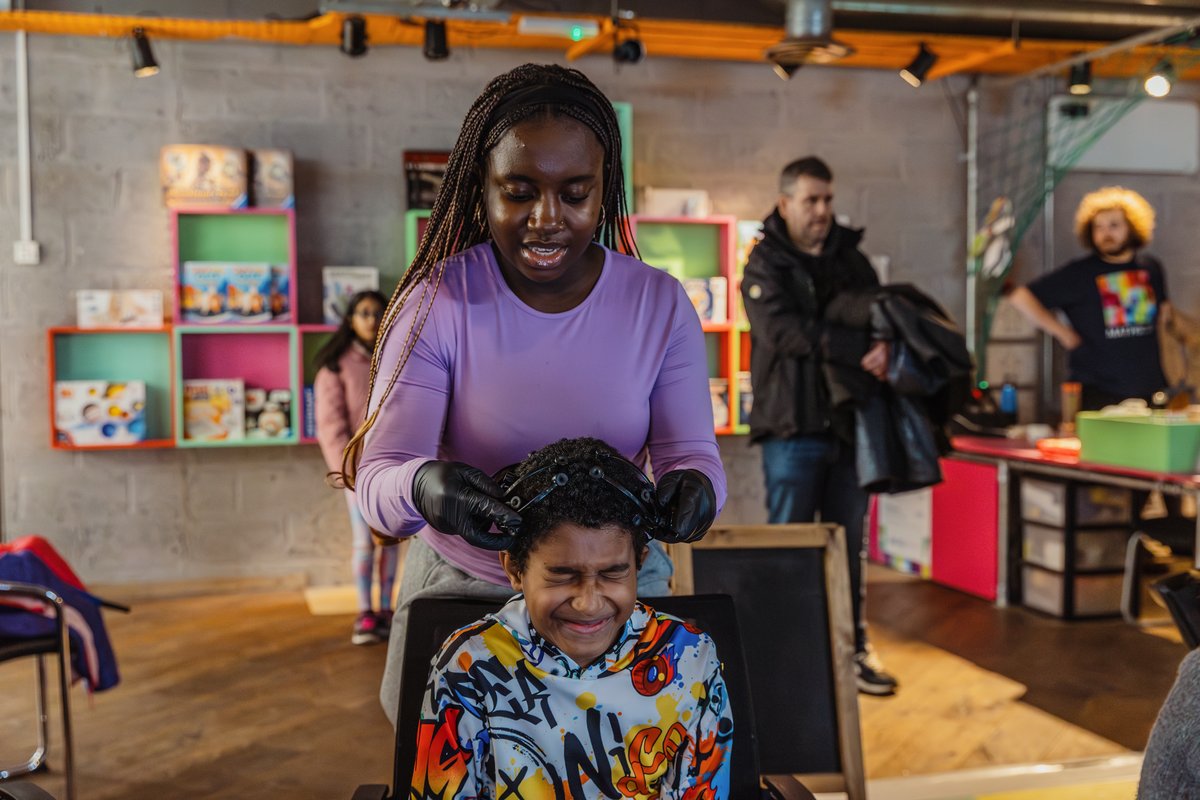
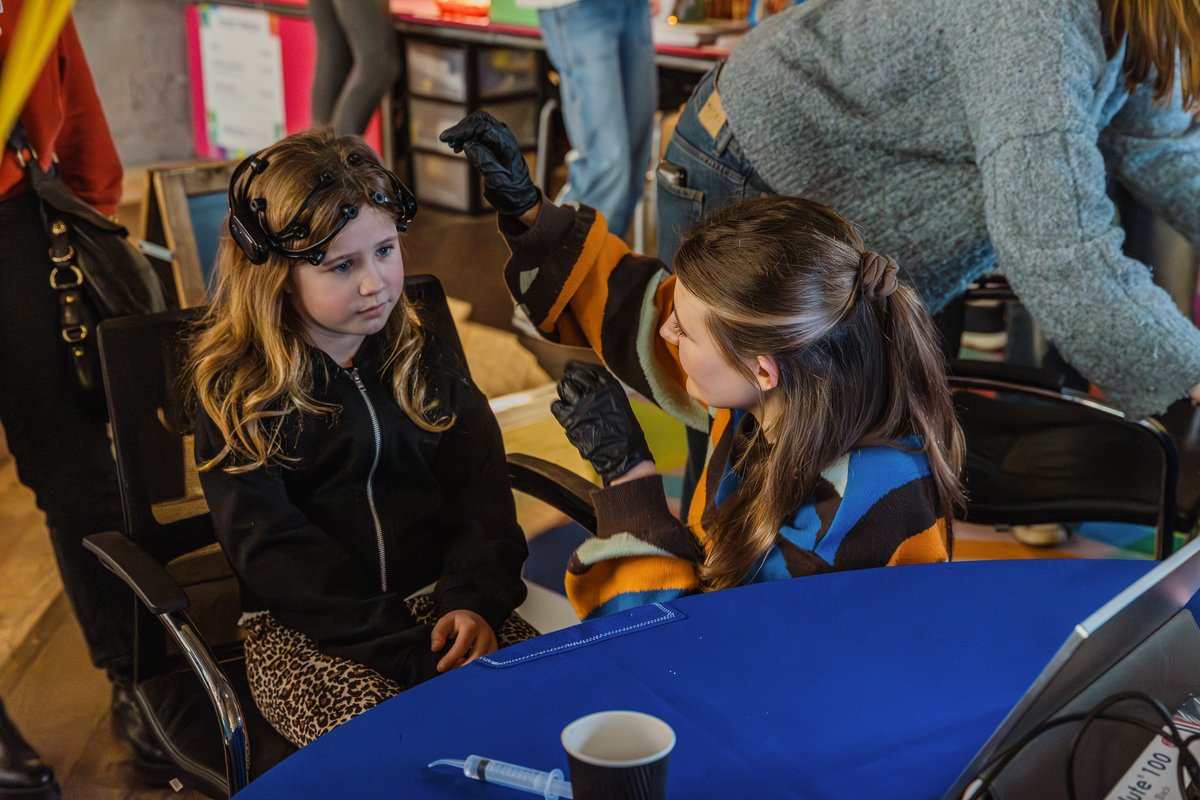
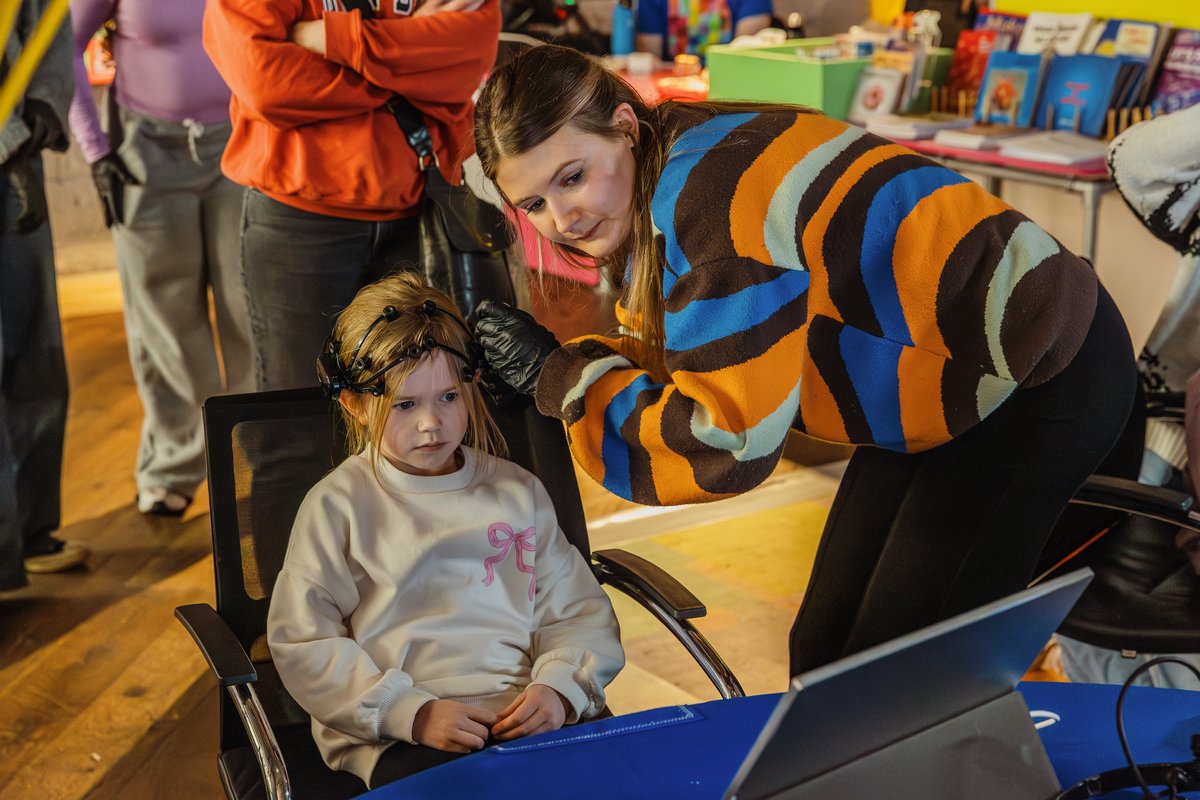
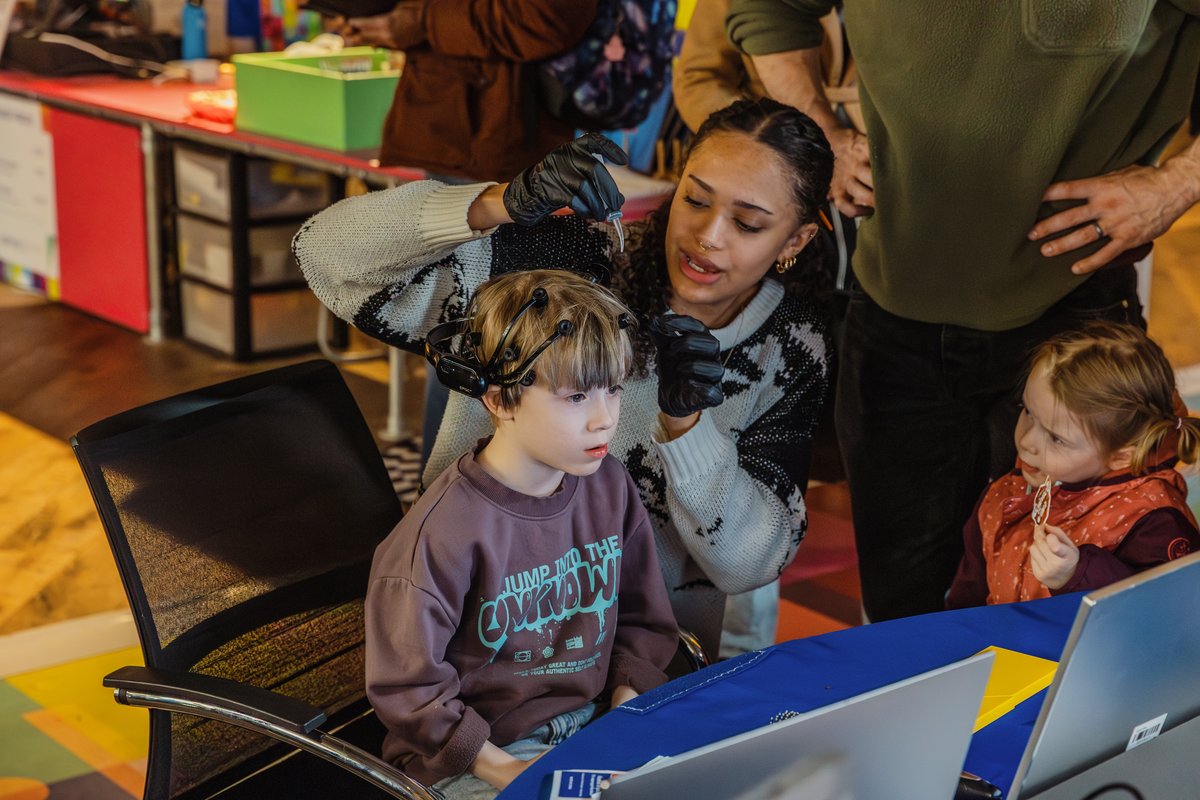
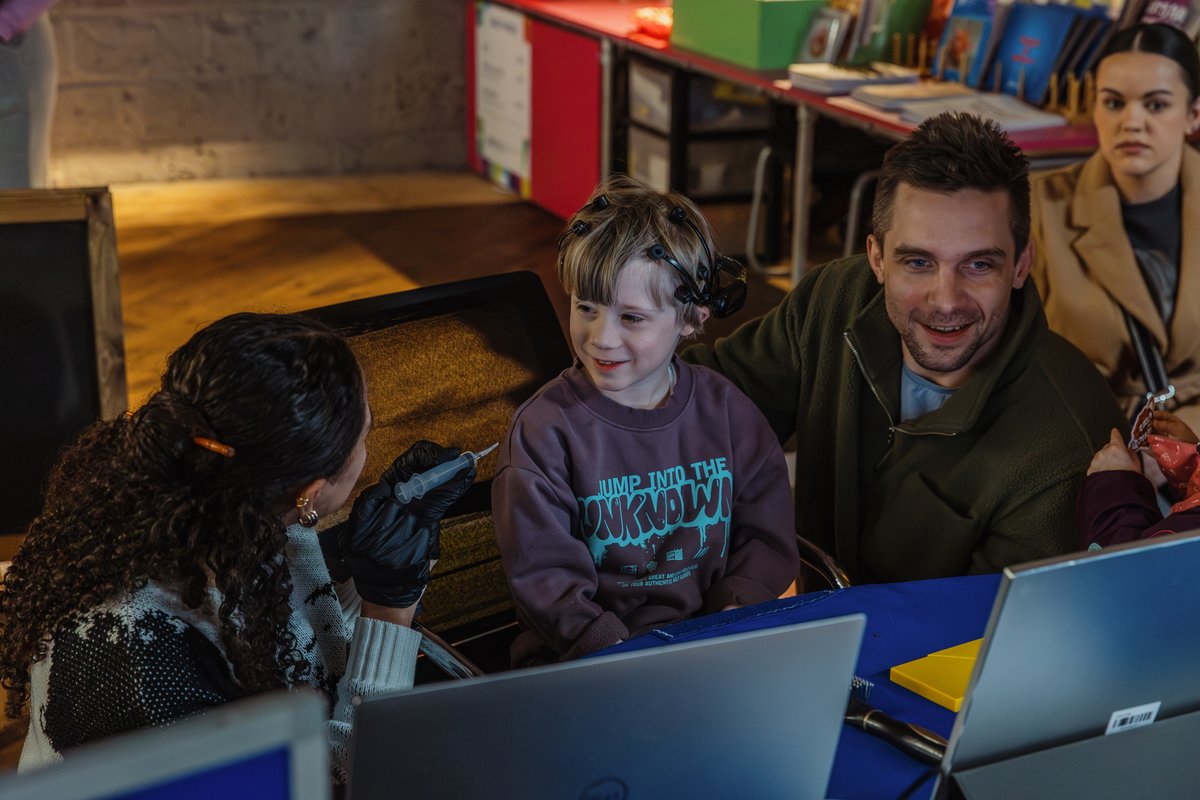
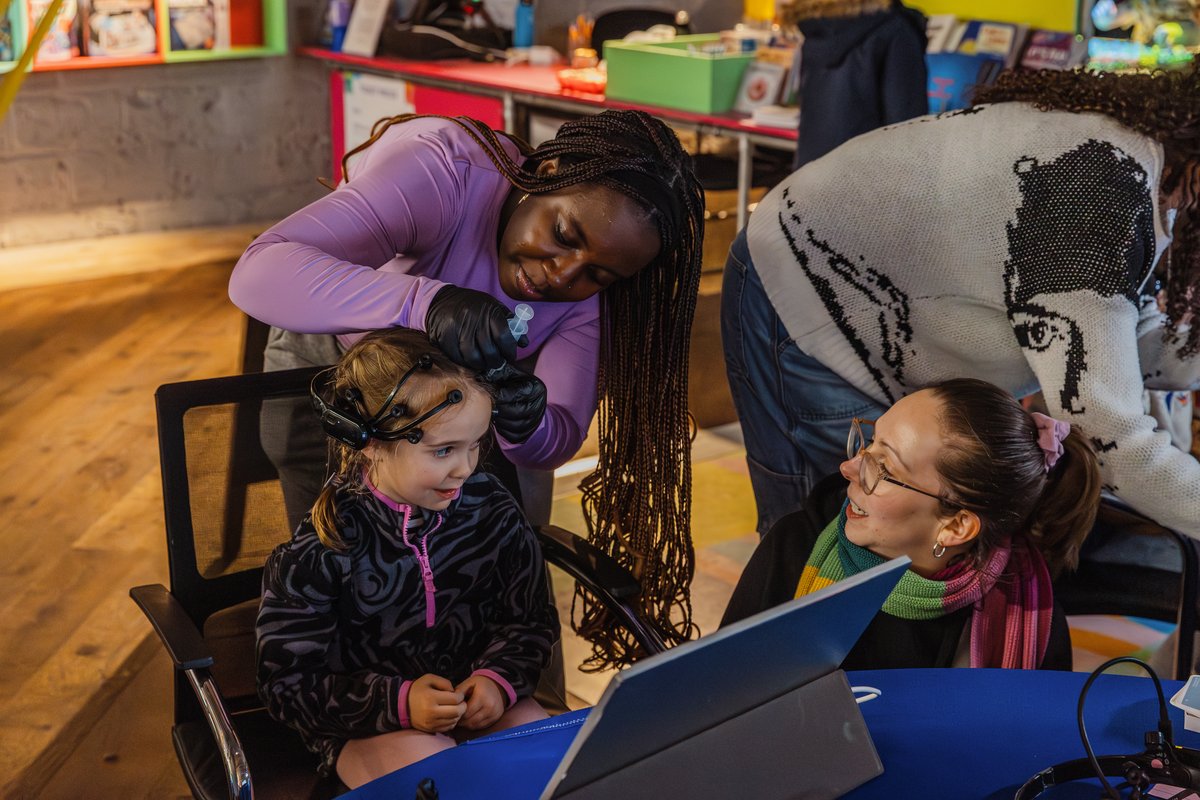
You sit comfortably in the bus. A researcher places a lightweight EEG headset on your head. It does not hurt and there are no needles or anything invasive.
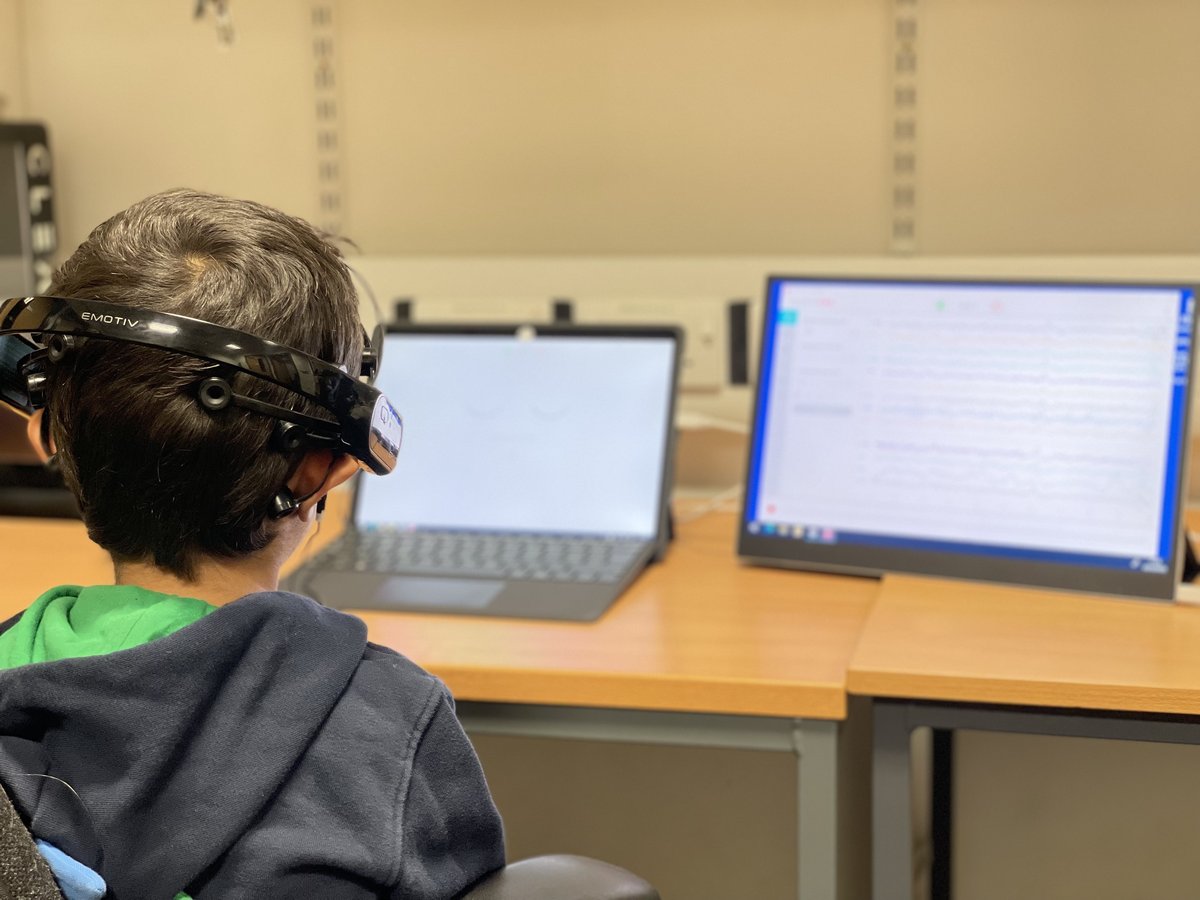
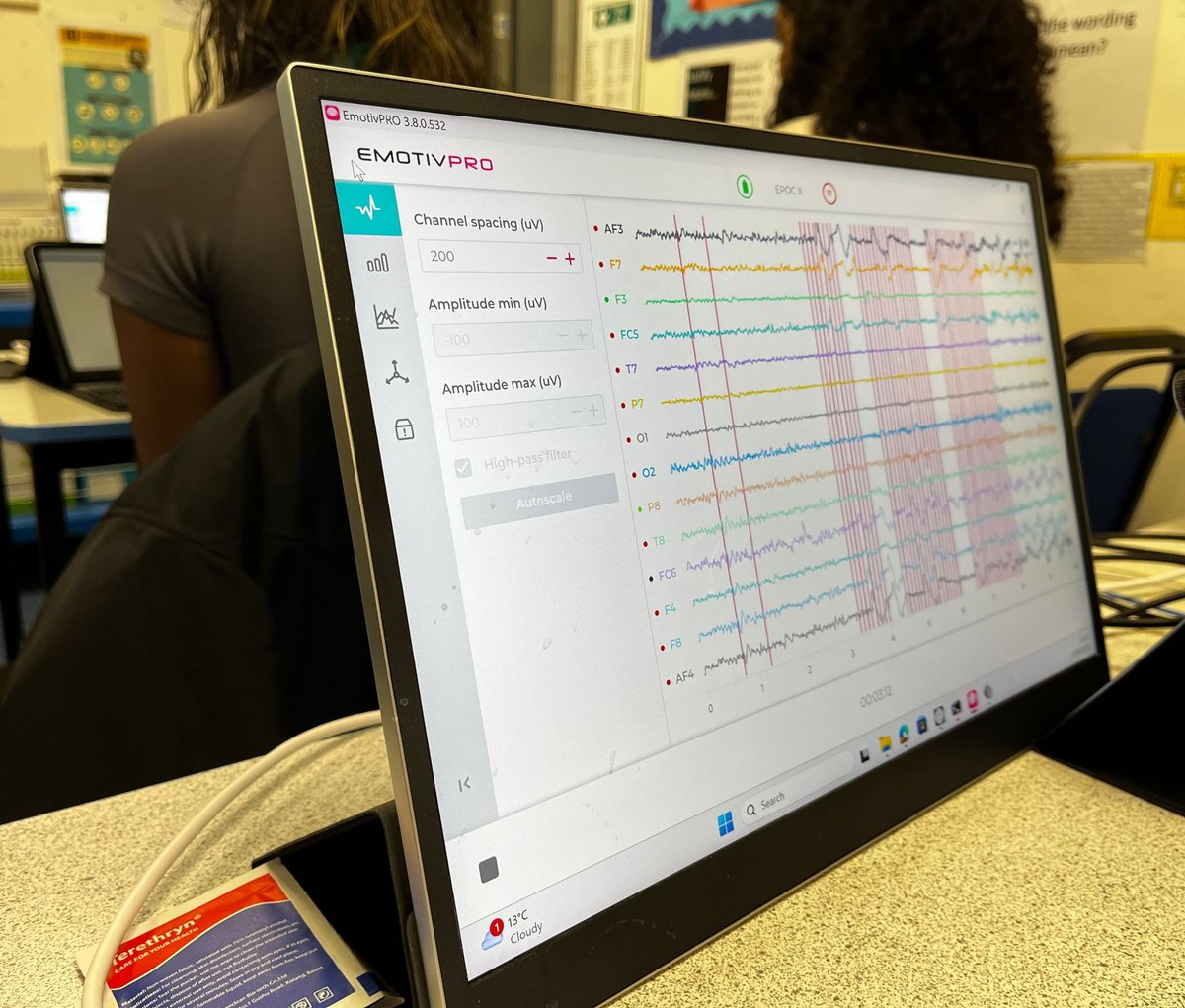
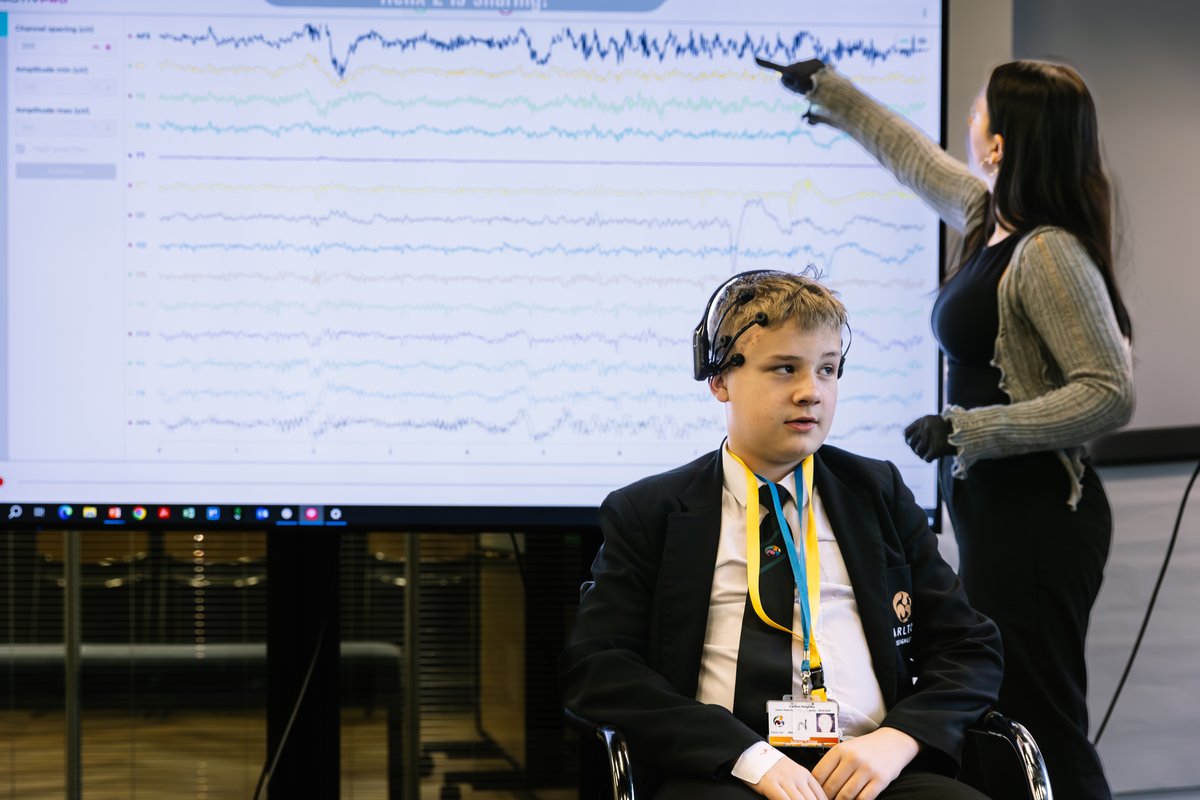
You complete some simple activities on a screen while the headset records your brain activity. You can even see your own brain data in real time.
"I'd never been to a university before and I don't think I would have gone to one just for this."
"But the Brain Bus came to our local library, and the researchers were really nice."
"They explained everything clearly and I got to see my own brain waves on the screen."
"It was so cool. I didn't realise my brain was doing so much just sitting there."
"It made me want to learn more about neuroscience."
This is a fictional account based on the type of experience participants can expect.
The Brain Bus is grounded in published research. Here are some of the studies that underpin and inform what we do.
On the centenary of the first human EEG recording, more than 500 experts reflect on the impact this discovery has had on understanding the brain and behaviour, calling for collective action on validity, democratisation and responsibility.
This paper argues that EEG is uniquely positioned to deliver truly inclusive and global neuroscience, thanks to advances in portability and affordability that can reach underrepresented communities and scale across low-resource contexts.
Using data from the Born in Bradford cohort of 13,857 children, this study found that children of mothers educated to A-level or above had twice the rate of autism diagnosis, suggesting substantial underdiagnosis in lower socioeconomic groups.
The Brain Bus is designed to go where people are. We work with a range of community settings to make taking part as easy as possible.
We park outside or set up inside local libraries and community centres, making research part of everyday life.
We can visit residential care homes and supported living settings, bringing research to young people where they live.
Wherever communities gather, be it car parks near supermarkets, children's parks or other public areas.
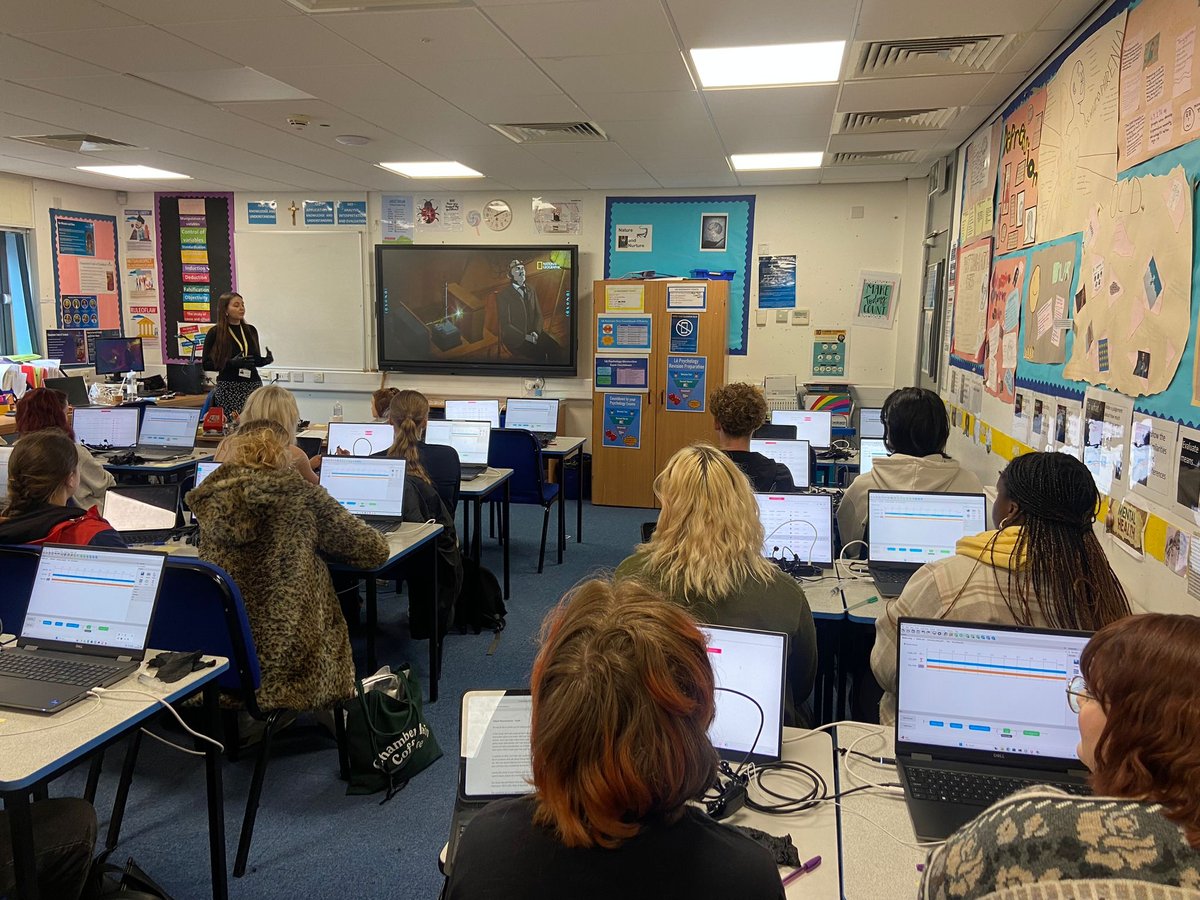
We park outside schools and work with individual pupils one by one. We also run a citizen neuroscience programme, taking 15 headsets into classrooms to work with up to 30 students at a time.
We take data protection seriously. Here is how we look after your information.
Your brain data is stored securely and handled in line with strict university and NHS data protection policies.
All of our research goes through a formal ethics review process. Details of our ethics approval will be published here once finalised.
Taking part is completely voluntary. You can ask questions at any time and withdraw your data if you change your mind. There is no pressure.
We are committed to making the Brain Bus experience comfortable and accessible for everyone. If you have any requirements, let us know and we will do our best to accommodate them.
Our researchers are experienced in working with young people with additional needs. We adapt the experience to suit individual requirements.
Please let us know about any mobility needs so we can ensure the bus setup is accessible for you.
We can adjust lighting, noise levels and the pace of the session. The EEG headset is lightweight and comfortable.
If English is not your first language, let us know and we will make sure you have the support you need to take part fully.
We welcome home-educated young people and those attending pupil referral units or alternative provision settings.
We work with care settings and understand the additional considerations for looked-after children and young people.
Interested in taking part or finding out more? Fill in the form below and we will be in touch. There is no commitment — we just want to hear from you.
We have received your details and will be in touch soon.
Make text larger or smaller across the page.
Stops all animations and transitions. Helpful if movement on screen is uncomfortable.
Increases contrast between text and background for easier reading.
Switches to a font designed to be easier to read for people with dyslexia.
Increases space between lines of text to make reading easier.
Highlights the area around your cursor to help focus on one line at a time.